It can be uncomfortable and, over time, damaging to the teeth and gums. Saliva protects teeth by washing away food, neutralising acid and helping repair early decay. Without enough saliva, decay can spread quickly, gums become sore, and eating, speaking and wearing dentures become harder. Dry mouth is most often caused by medicines, especially when several are taken together, but diabetes, dehydration, mouth breathing, smoking and some medical treatments are also common causes. It is especially common in older adults. If your mouth often feels dry, an assessment at Studio Dental in Islamabad can help protect your teeth and make you more comfortable.
What Are the Symptoms of Dry Mouth?
Dry mouth affects comfort and oral health.
Common symptoms include:
- A dry, sticky feeling in the mouth.
- Thick or stringy saliva.
- Frequent thirst.
- Difficulty chewing and swallowing dry food.
- Difficulty speaking for long periods.
- Cracked lips or sore corners of the mouth.
- A burning or sore tongue.
- Bad breath.
- A changed sense of taste.
- Dentures that feel loose or rub.
Dry mouth also increases decay, especially near the gum line.
A sudden, severe dry mouth with other symptoms should be checked by a doctor.
 Dr. Yousaf KamalCEO · Consultant dental surgeonSmile design · Complex cases · Treatment planningF-7 Markaz and DHA Phase 2View profile
 Dr. Aqsa MalikDental surgeon · Clinical DirectorTreatment planning · Restorative · Aesthetic dentistryDHA Phase 2View profile
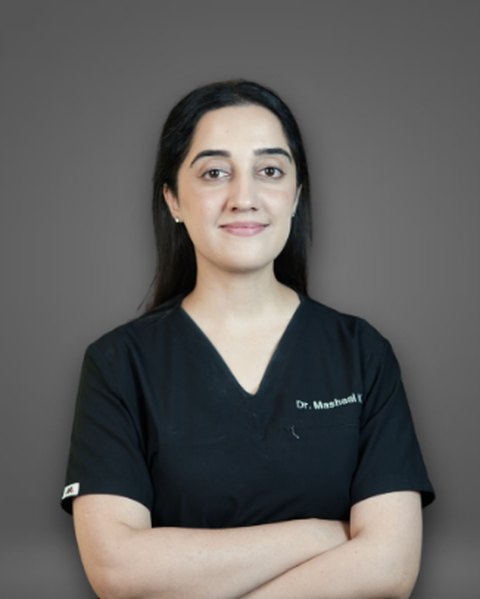 Dr. Mashaal KhalidMDS ProsthodonticsCrowns and bridges · Dentures · Implant teethF-7 MarkazView profile
What Causes Dry Mouth?
Many factors can reduce saliva.
1Medicines
Medicines for blood pressure, depression, anxiety, allergies, pain and bladder problems often cause dry mouth.
2Taking Several Medicines
The more medicines you take, the more likely dry mouth becomes.
3Diabetes
Uncontrolled blood sugar can reduce saliva and increase thirst.
4Dehydration
Not drinking enough water, hot weather and fasting reduce saliva.
5Mouth Breathing
Breathing through the mouth, especially at night, dries the mouth.
6Smoking and Naswar
Tobacco reduces saliva and irritates the mouth.
7Radiotherapy
Radiation to the head and neck can damage saliva glands.
8Medical Conditions
Some conditions affecting the glands, such as Sjögren's syndrome, cause dry mouth.
At What Age Can Dry Mouth Develop?
Dry mouth can occur at any age but is most common later in life.
Children (3–12 years)
Usually from mouth breathing, blocked noses or dehydration.
Teenagers and young adults (13–30 years)
Caffeine, energy drinks, smoking, vaping and some medicines are common causes.
Adults (30–60 years)
Medicines for blood pressure, mood and allergies become more common causes.
Older adults (60+ years)
Several medicines, diabetes and dentures make dry mouth very common.
Dry mouth is common with age, but it should be managed to protect your teeth.
Dry Mouth and Tooth Decay
Dry mouth greatly increases the risk of decay.
This happens because:
- Saliva normally washes away sugar and food.
- Saliva neutralises the acid made by bacteria.
- Saliva carries minerals that repair early decay.
- Without saliva, decay can spread quickly, especially at the gum line.
- Exposed roots in older adults decay more easily.
People with dry mouth often need fluoride varnish, high-fluoride toothpaste and more frequent check-ups.
Protecting teeth early prevents the need for many fillings later.
Dry Mouth Treatment Options
Treatment focuses on comfort, protecting teeth and finding the cause.
Common treatment options include:
1Reviewing Medicines
Your doctor may be able to change a medicine or adjust the dose.
2Saliva Substitutes
Gels, sprays and lozenges moisten the mouth and ease discomfort.
3Saliva Stimulation
Sugar-free gum and lozenges encourage saliva flow.
4Fluoride Varnish
Professional fluoride protects teeth from decay.
5High-Fluoride Toothpaste
A stronger toothpaste may be prescribed for daily use.
6Treating Decay Early
Regular check-ups catch decay before it spreads.
7Denture Adjustment
Dentures can be relined or adjusted if dry mouth makes them uncomfortable.
Treatments for dry mouth at Studio Dental
How to Manage Dry Mouth at Home
Daily habits can make a big difference.
Quick Care Tips
- Sip Water Often: Keep water with you through the day.
- Chew Sugar-Free Gum: It stimulates saliva.
- Use a Humidifier at Night: It reduces dryness while you sleep.
- Avoid Caffeine and Alcohol: Both dry the mouth.
- Stop Smoking and Naswar: Tobacco worsens dryness.
- Breathe Through Your Nose: Treat blocked noses if possible.
- Brush With Fluoride Toothpaste: Protect teeth from decay.
These steps relieve dryness but may not treat the cause.
Dry Mouth Home Remedies: What Can Help?
Some measures can improve comfort:
- Sipping water through the day.
- Sugar-free gum or lozenges.
- Lip balm for dry lips.
- Moist foods with sauces or soups.
- A humidifier in the bedroom.
- Rinsing with plain water after meals.
Avoid sucking sweets or sipping sugary drinks to relieve dryness. With low saliva, sugar causes rapid decay.
Which Medicine Is Used for Dry Mouth?
Treatment depends on the cause.
A dentist or doctor may recommend:
- Saliva substitutes and gels.
- High-fluoride toothpaste.
- Fluoride varnish.
- A review of medicines with your doctor.
- In some cases, medicines that stimulate saliva.
Never stop a prescribed medicine without speaking to your doctor.
Dental care focuses on protecting teeth while the cause is managed.
Which Toothpaste and Mouthwash Should You Use?
Gentle, protective products are best for dry mouth.
Toothpaste
Use a fluoride toothpaste, ideally a high-fluoride one if your dentist recommends it. Avoid toothpastes with strong flavours that irritate.
Mouthwash
Choose an alcohol-free mouthwash. Alcohol mouthwashes dry the mouth further. Dry-mouth rinses can add moisture.
The right products protect teeth and improve comfort.
Foods to Eat and Avoid With Dry Mouth
Food choices can ease discomfort and protect teeth.
Recommended Foods
Choose moist, tooth-friendly foods.
- Soups.
- Yoghurt.
- Daal with gravy.
- Soft rice with sauces.
- Cucumber and melon.
- Soft fruit.
- Eggs.
- Fish.
- Milk.
- Plenty of water.
Foods and Drinks to Limit
Avoid foods that worsen dryness or decay.
- Sugary sweets and snacks.
- Sugary drinks.
- Dry crackers and biscuits.
- Very salty food.
- Spicy food.
- Caffeine.
- Alcohol.
- Acidic drinks.
Dietary Tips
- Take sips of water with every bite.
- Add sauces and gravies to dry food.
- Keep sugar to mealtimes.
- Drink water throughout the day.
- Avoid eating sweets between meals.
- Rinse after meals.
- Have regular check-ups.
Diet improves comfort and reduces decay risk.
When Should You Visit a Dentist?
You should arrange a dental appointment if:
- Your mouth feels dry most of the time.
- You have new decay near the gum line.
- Your gums or tongue feel sore or burn.
- Your dentures are uncomfortable.
- You have bad breath.
- You have difficulty swallowing dry food.
- You have started new medicines and your mouth feels dry.
- You have had radiotherapy to the head or neck.
A sudden, severe dry mouth with other symptoms should also be checked by your doctor.
Dry Mouth Clinic in Islamabad – Why Choose Professional Dental Care?
Dry mouth can quietly cause decay and gum problems. Regular professional care protects your teeth.
At Studio Dental in Islamabad, dry mouth is assessed and managed at our F-7 Markaz and DHA Phase 2 clinics, every day from 9 am to 7 pm.
An assessment may include:
- Discussion of your medicines and health.
- Examination of teeth, gums and tongue.
- Checking for early decay.
- Fluoride varnish.
- Advice on saliva substitutes.
- Denture checks.
- A personal prevention plan.
Good care keeps your mouth comfortable and your teeth healthy.
Treatment prices in Islamabad
| Treatment | Starting from (15% off) | Up to |
|---|---|---|
| Comprehensive check-up | Rs 4,250 | Rs 5,000 |
| Risk assessment and prevention plan | Rs 5,100 | Rs 6,000 |
| Fluoride varnish | Rs 3,400 | Rs 4,000 |
| Scaling and polishing | Rs 12,750 | Rs 15,000 |
| Denture repair or reline | Rs 10,200 | Rs 12,000 |
Family treatment and first appointment discount, valid until 31 December 2026. Your exact price depends on your case and is confirmed in writing after your examination.
We offer dry mouth treatment in Islamabad at both Studio Dental clinics: dry mouth treatment in Islamabad, F-7 Markaz, at Jinnah Super, and dry mouth treatment in Islamabad, DHA Phase 2, on Main Iqbal Boulevard, every day from 9 am to 7 pm.
Dry mouth treatment in Islamabad, F-7 Markaz
Studio Dental F-7 Markaz: 2nd Floor, Flat 7, Block 12-C, Jinnah Super, Main College Road. Open Monday to Sunday, 9 am to 7 pm.
Seen by: Dr. Zainab Qureshi, general and cosmetic dentist.
Dry mouth treatment in Islamabad, DHA Phase 2
Studio Dental DHA Phase 2: 1st Floor, Plaza 26, Main Iqbal Boulevard, DHA Phase II. Open Monday to Sunday, 9 am to 7 pm.
Seen by: Dr. Aqsa Malik, dental surgeon.
Frequently Asked Questions About Dry Mouth
What causes dry mouth?
Medicines are the most common cause, along with diabetes, dehydration, mouth breathing and smoking.
Can dry mouth cause tooth decay?
Yes. Without saliva, decay can spread quickly, especially at the gum line.
Is dry mouth normal with age?
It is common in older adults, mainly because of medicines, but it should still be managed.
Does drinking more water help?
Yes. Sipping water through the day relieves dryness and helps protect teeth.
Can I stop my medicine?
Never stop a prescribed medicine without speaking to your doctor.
Do saliva substitutes help?
Yes. They moisten the mouth and ease discomfort.
Does dry mouth cause bad breath?
Yes. Less saliva allows more bacteria and odour.
Can dry mouth affect dentures?
Yes. Dentures may feel loose or rub. A reline can help.
How much does dry mouth care cost in Islamabad?
Most care starts with a check-up and fluoride. Prices are shown in the table above and confirmed after assessment.
Can children have dry mouth?
Yes, often from mouth breathing or blocked noses.
Book Your Dry Mouth Assessment at Studio Dental in Islamabad
Does your mouth often feel dry, sticky or sore?
Do not ignore dry mouth. Without enough saliva, decay can spread quickly, but the right care keeps your teeth protected and your mouth comfortable.
An assessment checks your teeth and gives you a personal plan to manage dry mouth.