Some people also experience discomfort while brushing their teeth or breathing in cold air. This condition can affect one tooth or several teeth and may make everyday activities such as eating, drinking and maintaining oral hygiene uncomfortable. Tooth sensitivity can develop because of worn tooth enamel, receding gums, cavities, cracked teeth or other dental conditions. Identifying the underlying cause is important because the right treatment depends on the condition affecting your teeth. If you are experiencing recurring tooth sensitivity, a dental checkup at Studio Dental in Islamabad can help identify the problem and determine the appropriate treatment.
What Are the Symptoms of Tooth Sensitivity?
Tooth sensitivity can produce different symptoms depending on its cause and severity.
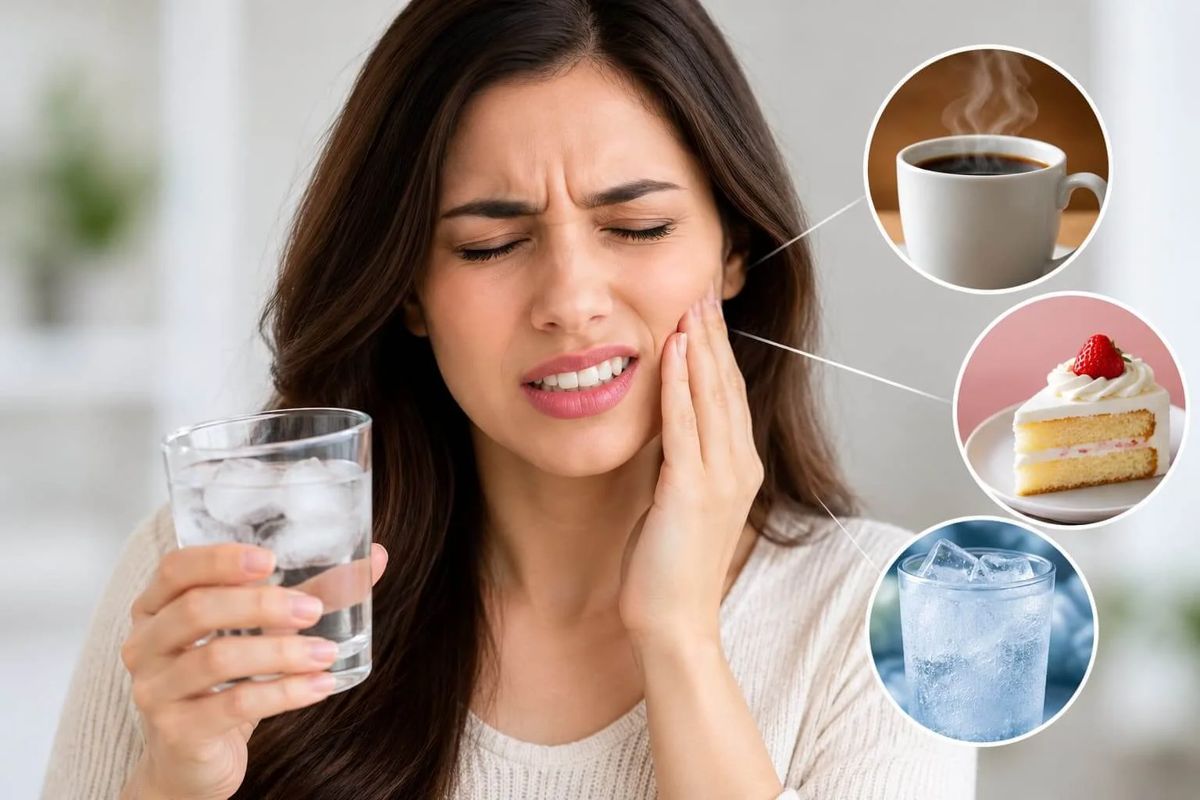
Common symptoms include:
- Sharp pain when drinking cold water.
- Sensitivity when eating hot foods.
- Pain when consuming ice cream or cold desserts.
- Discomfort after eating sweets or sugary foods.
- Pain when consuming citrus fruits or acidic drinks.
- Sensitivity while brushing or flossing.
- Sudden pain when exposed to cold air.
- Discomfort when biting or chewing.
- Pain around exposed tooth roots.
Some people experience discomfort for only a few seconds, while others may have persistent or recurring pain.
If pain continues after removing the hot or cold trigger, occurs without an obvious reason or becomes severe, it may indicate an underlying dental problem that needs examination.
 Dr. Yousaf KamalCEO · Consultant dental surgeonSmile design · Complex cases · Treatment planningF-7 Markaz and DHA Phase 2View profile
 Dr. Aqsa MalikDental surgeon · Clinical DirectorTreatment planning · Restorative · Aesthetic dentistryDHA Phase 2View profile
 Dr. Mashaal KhalidMDS ProsthodonticsCrowns and bridges · Dentures · Implant teethF-7 MarkazView profile
What Causes Tooth Sensitivity?
Tooth sensitivity usually develops when the protective enamel becomes worn or the underlying dentin becomes exposed. Several dental conditions and everyday habits can contribute to this problem.
1Enamel Erosion
Frequent consumption of acidic foods, carbonated drinks and aggressive brushing can gradually wear down tooth enamel, exposing sensitive inner tooth structures.
2Gum Recession
When gums move away from the teeth, their roots become exposed. Since roots do not have the same enamel protection as the visible tooth surface, they can become sensitive.
3Tooth Decay and Cavities
Dental cavities damage the protective structure of teeth. As decay progresses, it can cause sensitivity to cold, hot and sweet foods.
4Teeth Grinding
Grinding or clenching your teeth can gradually wear down enamel and increase sensitivity.
5Cracked or Broken Teeth
Small cracks and fractures can expose sensitive tooth structures and cause discomfort, particularly when chewing.
6Excessive Brushing
Using a hard-bristled toothbrush or applying too much pressure while brushing can contribute to enamel wear and gum recession.
7Dental Treatments
Some people experience temporary tooth sensitivity after dental fillings, professional cleaning, teeth whitening or crown placement.
8Gum Disease
Gum inflammation and periodontal disease can contribute to gum recession and exposed tooth roots, increasing sensitivity.
At What Age Can Tooth Sensitivity Develop?
Tooth sensitivity is not limited to a particular age group. Children, teenagers, adults and older people can all experience sensitive teeth, although the contributing causes may differ.
Children (6–12 years)
Children may experience sensitivity due to cavities, enamel defects, newly erupted permanent teeth or dental injuries. Parents should arrange a dental examination if a child regularly complains of tooth pain.
Teenagers (13–19 years)
Sensitivity in teenagers may be associated with acidic drinks, frequent sugary snacks, inadequate brushing habits, cavities or teeth whitening products.
Adults (20–40 years)
Adults may experience sensitivity due to enamel erosion, cavities, aggressive brushing, teeth grinding and previous dental treatments.
Middle-aged and older adults (40+ years)
Gum recession, root exposure, worn enamel and accumulated dental problems can increase the likelihood of sensitivity as people get older.
Tooth sensitivity should not be considered a normal part of ageing. Persistent symptoms deserve professional assessment at any age.
Tooth Sensitivity After Dental Filling
Some patients experience sensitivity after getting a dental filling. Mild discomfort when eating or drinking hot and cold foods can occur temporarily as the tooth settles after treatment.
Possible reasons include:
- Temporary irritation following the procedure.
- Deep cavities that were close to the tooth nerve.
- Changes in the bite due to a high filling.
- Irritation of the dental pulp.
- An underlying problem that requires further treatment.
If sensitivity gradually improves, it may be part of the normal recovery process. However, severe pain, pain when biting or sensitivity that persists or worsens should be evaluated by a dentist.
Do not ignore ongoing discomfort after a filling.
Tooth Sensitivity Treatment Options
The appropriate treatment depends on what is causing the sensitivity. A dentist first examines the affected teeth and gums before recommending a treatment.
Common treatment options include:
1Desensitizing Toothpaste
Toothpaste containing potassium nitrate or stannous fluoride may help reduce sensitivity by calming nerve responses or protecting exposed dentin.
2Professional Fluoride Treatment
Fluoride applications can strengthen enamel and help reduce sensitivity in suitable cases.
3Dental Bonding
Dental bonding materials may be used to cover exposed root surfaces or damaged areas that cause sensitivity.
4Dental Fillings
If cavities are responsible for sensitivity, removing the decayed portion and restoring the tooth may resolve the problem.
5Gum Treatment
If gum recession or periodontal disease is contributing to sensitivity, professional gum treatment may be recommended.
6Root Canal Treatment
When the dental pulp becomes severely inflamed or infected, root canal treatment may be necessary to save the affected tooth.
7Dental Crowns
A crown may be recommended when a tooth is significantly damaged or weakened and requires additional protection.
Treatments for tooth sensitivity at Studio Dental
How to Reduce Tooth Sensitivity at Home
If you are experiencing mild tooth sensitivity, a few simple care measures may help reduce discomfort before your dental appointment.
Quick Care Tips Before Visiting a Dentist
- Use Sensitive Teeth Toothpaste: Brush gently with toothpaste containing potassium nitrate or stannous fluoride.
- Avoid Very Cold Drinks: Choose room-temperature water instead of ice-cold beverages if they trigger pain.
- Use a Soft Toothbrush: Avoid hard-bristled brushes and aggressive brushing.
- Rinse with Plain Water: Rinse your mouth with water after consuming acidic or sugary foods.
- Avoid Chewing on the Affected Side: If one tooth is painful, avoid putting unnecessary pressure on it.
- Avoid Extremely Hot Foods: Choose comfortable food temperatures until the cause is identified.
- Maintain Gentle Oral Hygiene: Continue brushing and flossing carefully instead of avoiding oral cleaning.
These measures may provide temporary relief but do not replace professional diagnosis or treatment.
Tooth Sensitivity Home Remedies: What Can Help?
Some everyday practices may help manage mild sensitivity:
- Drinking room-temperature water.
- Avoiding acidic and sugary foods.
- Using fluoride toothpaste.
- Maintaining gentle brushing habits.
- Reducing frequent snacking.
- Avoiding teeth whitening products until sensitivity is assessed.
Avoid applying lemon juice, vinegar, undiluted clove oil, aspirin or other household substances directly to your teeth or gums. These may irritate or damage oral tissues.
If pain is severe or recurring, consult a dentist instead of relying on home remedies.
Which Medicine Is Used for Tooth Sensitivity?
There is no single medicine suitable for every type of tooth sensitivity.
Depending on the cause, a dentist may recommend:
- Desensitizing toothpaste.
- Fluoride-based dental products.
- Professional desensitizing agents.
- Appropriate pain-relief medication when necessary.
Painkillers may temporarily reduce discomfort but cannot repair cavities, cracked teeth, gum recession or dental infections.
Do not take antibiotics for ordinary tooth sensitivity without a dentist's recommendation. Antibiotics are only appropriate for certain bacterial infections.
Which Toothpaste and Mouthwash Should You Use?
Choosing suitable oral care products can help manage sensitive teeth.
Toothpaste for Sensitive Teeth
Look for products containing:
- Potassium nitrate.
- Stannous fluoride.
- Sodium fluoride.
Use the product according to its instructions and your dentist's recommendation.
Mouthwash for Sensitive Teeth
A fluoride-based, alcohol-free mouthwash may be suitable for people with sensitive teeth, depending on their oral health needs.
Avoid mouthwashes that cause irritation or discomfort. Mouthwash cannot replace dental treatment when sensitivity is caused by decay, cracks or gum disease.
Foods to Eat and Avoid When You Have Sensitive Teeth
Your food choices can affect tooth sensitivity, particularly when enamel erosion or exposed dentin is involved.
Recommended Foods
Choose foods that are nutritious, relatively soft and less likely to trigger sensitivity.
- Bananas.
- Eggs.
- Oatmeal.
- Plain yoghurt.
- Soft-cooked vegetables.
- Rice.
- Fish.
- Chicken.
- Milk and other calcium-rich foods.
- Cheese.
Foods and Drinks to Limit
Try to reduce frequent exposure to foods and beverages that can contribute to enamel erosion or trigger discomfort.
- Citrus fruits such as lemons and oranges.
- Carbonated soft drinks.
- Energy drinks.
- Excessively sweet foods.
- Sour candies.
- Vinegar-based foods.
- Very cold ice cream.
- Extremely hot beverages.
Dietary Tips for Better Dental Health
- Drink enough plain water throughout the day.
- Limit frequent consumption of sugary drinks.
- Avoid sipping acidic beverages over long periods.
- Rinse your mouth with water after acidic foods.
- Avoid brushing immediately after consuming acidic foods; wait around 30–60 minutes.
- Include calcium- and phosphorus-rich foods in your diet.
- Maintain a balanced diet with adequate vitamins and minerals.
Food choices can support dental health, but they cannot reverse significant enamel loss or treat existing cavities.
When Should You Visit a Dentist?
You should arrange a dental checkup if:
- Tooth sensitivity continues or keeps returning.
- You experience sharp pain in one particular tooth.
- Pain occurs without eating or drinking.
- Sensitivity becomes worse over time.
- You experience discomfort while chewing.
- You notice visible cavities or cracks.
- Your gums are swollen, bleeding or receding.
- Tooth pain continues after a dental filling.
Severe tooth pain accompanied by facial swelling or fever requires urgent dental attention. Difficulty swallowing or breathing requires emergency medical care.
Tooth Sensitivity Clinic in Islamabad – Why Choose Professional Dental Care?
Finding the actual cause of tooth sensitivity is the first step towards appropriate treatment. Different conditions can produce similar symptoms, so treating sensitivity without identifying its cause may only provide temporary relief.
At Studio Dental in Islamabad, patients can seek professional dental assessment for tooth sensitivity and other oral health concerns.
A dental checkup may include:
- Examination of sensitive teeth.
- Assessment of enamel condition.
- Evaluation of gum health.
- Identification of possible cavities or cracks.
- Sensitivity testing where appropriate.
- Dental X-rays when clinically necessary.
- A personalized treatment recommendation.
Early diagnosis can help identify dental problems before they become more complicated.
Treatment prices in Islamabad
| Treatment | Starting from (15% off) | Up to |
|---|---|---|
| Comprehensive check-up | Rs 4,250 | Rs 5,000 |
| Fluoride varnish | Rs 3,400 | Rs 4,000 |
| Composite bonding | Rs 21,250 | Rs 25,000 |
| Tooth-coloured filling (small) | Rs 7,650 | Rs 9,000 |
| Scaling and polishing | Rs 12,750 | Rs 15,000 |
| Root canal treatment (front tooth) | Rs 21,250 | Rs 25,000 |
| Zirconia crown | Rs 55,250 | Rs 65,000 |
Family treatment and first appointment discount, valid until 31 December 2026. Your exact price depends on your case and is confirmed in writing after your examination.
We offer tooth sensitivity treatment in Islamabad at both Studio Dental clinics: tooth sensitivity treatment in Islamabad, F-7 Markaz, at Jinnah Super, and tooth sensitivity treatment in Islamabad, DHA Phase 2, on Main Iqbal Boulevard, every day from 9 am to 7 pm.
Tooth sensitivity treatment in Islamabad, F-7 Markaz
Studio Dental F-7 Markaz: 2nd Floor, Flat 7, Block 12-C, Jinnah Super, Main College Road. Open Monday to Sunday, 9 am to 7 pm.
Seen by: Dr. Zainab Qureshi, general and cosmetic dentist.
Tooth sensitivity treatment in Islamabad, DHA Phase 2
Studio Dental DHA Phase 2: 1st Floor, Plaza 26, Main Iqbal Boulevard, DHA Phase II. Open Monday to Sunday, 9 am to 7 pm.
Seen by: Dr. Yousaf Kamal, consultant dental surgeon.
Frequently Asked Questions About Tooth Sensitivity
Why do my teeth hurt when I drink cold water?
Cold water can stimulate exposed dentin and cause sudden discomfort. Enamel erosion, gum recession and cavities are common contributing factors.
Can tooth sensitivity go away permanently?
Many cases can be successfully managed or resolved by treating the underlying cause. However, the outcome depends on the extent of enamel damage, gum recession or other dental conditions.
How can I stop tooth sensitivity immediately?
Avoid the food or drink triggering the pain, use sensitive-teeth toothpaste and avoid brushing aggressively. These steps may provide temporary relief, but recurring pain needs dental assessment.
Is tooth sensitivity a sign of a cavity?
Yes, tooth decay can cause sensitivity, particularly to cold, hot and sweet foods. A dental examination helps determine whether a cavity is responsible.
Can I use sensitive toothpaste every day?
Many sensitive-teeth toothpastes are designed for daily use. Follow the product instructions and your dentist's recommendations.
Why are my teeth sensitive after filling?
Temporary irritation can occur after a filling, particularly when the cavity was deep. Persistent pain or discomfort when biting should be checked by your dentist.
Does mouthwash help with sensitive teeth?
Fluoride-based mouthwash may support enamel protection and oral health. However, it cannot treat the underlying cause of sensitivity.
Can children have sensitive teeth?
Yes. Children can develop sensitivity due to cavities, enamel defects, dental injuries and other conditions. Regular dental checkups are important.
Does drinking tea cause tooth sensitivity?
Tea itself is not usually a direct cause of sensitivity. However, frequent consumption of very hot tea or tea with added sugar may contribute to discomfort or other dental problems.
Can brushing too hard cause sensitive teeth?
Yes. Aggressive brushing can contribute to enamel wear and gum recession, exposing sensitive tooth structures.
What foods should I avoid if I have sensitive teeth?
Limit acidic drinks, sour candies, sugary snacks and extremely hot or cold foods if they trigger discomfort.
Is tooth sensitivity a serious dental problem?
Mild sensitivity may be manageable, but persistent or severe pain can indicate cavities, cracks, pulp inflammation or other conditions requiring treatment.
When should I get a dental checkup for sensitive teeth?
Arrange an appointment if sensitivity keeps returning, becomes severe, affects one particular tooth or interferes with eating and drinking.
Book Your Dental Checkup at Studio Dental in Islamabad
Are you experiencing sharp tooth pain when drinking cold water, eating sweets or consuming hot foods?
Do not ignore recurring tooth sensitivity. What appears to be a minor sensitivity problem may sometimes be related to tooth decay, enamel erosion, gum recession or an underlying dental infection.
A professional dental checkup can help identify the cause, assess the condition of your teeth and guide you towards the right treatment.