They are common and, in most people, improve with simple treatment. TMJ problems can make chewing, yawning and speaking uncomfortable and are often linked to headaches, earache and neck pain. The most common causes are clenching and grinding, especially with stress, along with strain from wide yawning or long dental visits, injury, bite problems and arthritis. Most cases improve with self-care, a night guard and jaw exercises, without the need for surgery. If your jaw aches, clicks or feels stiff, an assessment at Studio Dental in Islamabad can find the cause and help you get relief.
What Are the Symptoms of Jaw Pain and TMJ?
TMJ symptoms can vary from mild to severe.
Common symptoms include:
- Pain in the jaw joint in front of the ear.
- Aching jaw muscles, especially in the morning.
- Clicking or popping when opening the mouth.
- A grating sound in the joint.
- Difficulty opening the mouth fully.
- The jaw getting stuck open or closed.
- Headaches at the temples.
- Earache without an ear infection.
- Neck and shoulder pain.
- A change in how the teeth fit together.
Many people have a painless click that needs no treatment.
Jaw pain together with chest pain, breathlessness, sweating or pain in the arm can be a sign of a heart problem: call an ambulance or go to a hospital emergency department immediately.
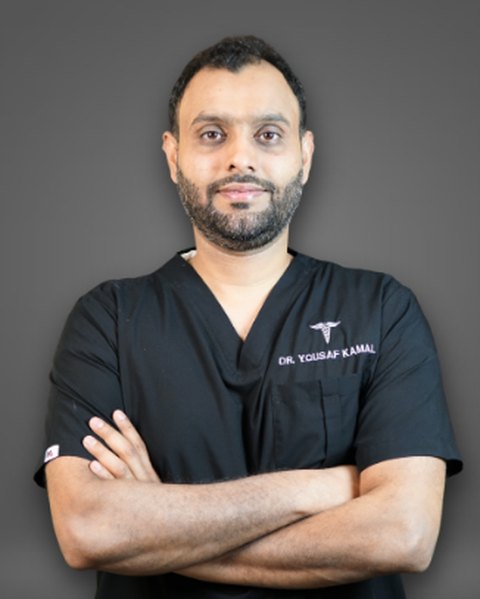 Dr. Yousaf KamalCEO · Consultant dental surgeonSmile design · Complex cases · Treatment planningF-7 Markaz and DHA Phase 2View profile
 Dr. Amna HassanOral and maxillofacial surgeon · ImplantologistWisdom teeth · Implants · Oral surgeryDHA Phase 2View profile
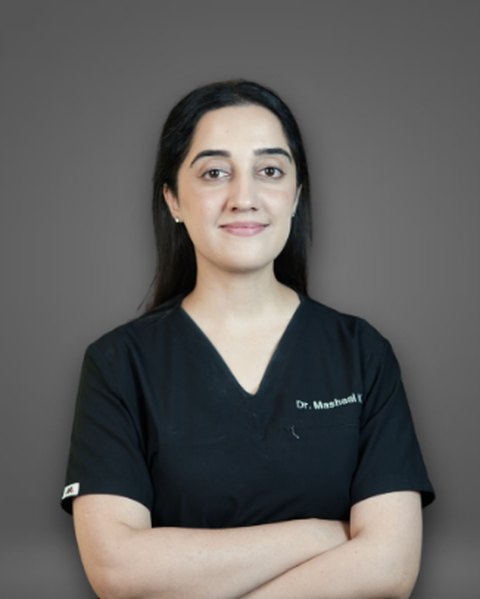 Dr. Mashaal KhalidMDS ProsthodonticsCrowns and bridges · Dentures · Implant teethF-7 MarkazView profile
What Causes Jaw Pain and TMJ Problems?
Several factors can strain the jaw joints and muscles.
1Clenching and Grinding
Grinding at night or clenching during the day overworks the jaw muscles.
2Stress and Anxiety
Stress often leads to clenching and muscle tension.
3Jaw Strain
Wide yawning, long dental appointments or chewing gum for long periods can strain the joint.
4Disc Displacement
The small disc inside the joint can slip, causing clicking or locking.
5Injury
A blow to the jaw or face can damage the joint.
6Arthritis
Osteoarthritis or rheumatoid arthritis can affect the jaw joints.
7Bite Problems
An uneven bite or missing teeth can change how the jaw works.
8Posture
Poor posture, especially with long hours at a desk or on a phone, can contribute to jaw and neck pain.
At What Age Can TMJ Problems Develop?
TMJ problems can occur at any age but are most common in young and middle-aged adults.
Teenagers (13–19 years)
Clicking jaws are common and often painless. Stress and grinding can cause pain.
Young adults (20–40 years)
This is the most common age for TMJ pain, often linked to stress, clenching and grinding. It is more common in women.
Middle-aged adults (40–60 years)
Grinding, worn teeth and early arthritis can contribute.
Older adults (60+ years)
Arthritis and missing teeth are more common causes.
Most TMJ problems improve with simple treatment at any age.
When Is Jaw Pain an Emergency?
Most jaw pain is not urgent, but some signs need help straight away.
Seek urgent help if:
- Jaw pain comes with chest pain, breathlessness, sweating or arm pain (call an ambulance).
- Your jaw is locked open or shut and you cannot move it.
- Jaw pain follows an injury and your bite feels wrong.
- You have swelling of the face or jaw with fever.
- You cannot open your mouth enough to eat or drink.
For a locked jaw or jaw injury, contact us or a hospital the same day.
Chest pain spreading to the jaw is a medical emergency, not a dental one.
Jaw Pain and TMJ Treatment Options
Most TMJ problems improve with conservative treatment.
Common treatment options include:
1Self-Care Advice
Soft food, avoiding wide yawning and chewing gum, and relaxing the jaw help the joint rest.
2Custom Night Guard (Splint)
A night guard protects teeth and reduces strain on the jaw muscles while you sleep.
3Jaw Exercises
Gentle exercises improve movement and reduce muscle tension.
4Pain Relief
Suitable painkillers and warm compresses ease muscle pain.
5Physiotherapy
A physiotherapist can help with jaw and neck muscles.
6Bite Assessment
An uneven bite or missing teeth may be treated to improve how the jaw works.
7Imaging and Specialist Referral
An OPG or CBCT scan can assess the joint, with referral to a specialist if needed.
Treatments for jaw pain and tmj at Studio Dental
How to Relieve Jaw Pain at Home
Simple steps can ease TMJ pain.
Quick Relief Tips
- Eat Soft Food: Cut food into small pieces.
- Avoid Chewing Gum: It overworks the jaw.
- Avoid Wide Yawning: Support your chin when you yawn.
- Use a Warm Compress: Relax tight jaw muscles.
- Relax Your Jaw: Keep teeth slightly apart with lips together.
- Manage Stress: Breathing exercises and rest help.
- Improve Posture: Keep your head upright when using phones and computers.
These steps relieve symptoms but do not replace an assessment.
TMJ Home Remedies: What Can Help?
Some measures may help:
- Warm compresses on the jaw muscles.
- Gentle jaw stretches.
- Soft, nutritious food.
- Good sleep.
- Stress management.
- Avoiding nail biting and pen chewing.
Avoid cracking or forcing your jaw, chewing hard food and over-the-counter mouthguards that do not fit properly. These can make symptoms worse.
Which Medicine Is Used for Jaw Pain?
Medicine can help short-term pain.
A dentist may recommend:
- A suitable painkiller.
- Anti-inflammatory medicine where appropriate.
- Muscle relaxation techniques.
- A referral to your doctor if arthritis or other conditions are suspected.
Medicine eases pain but works best with a night guard and self-care.
Do not take muscle relaxants or strong painkillers without medical advice.
Which Toothpaste and Mouthwash Should You Use?
Products do not treat TMJ, but they protect teeth worn by grinding.
Toothpaste
Use a fluoride toothpaste. Sensitive-teeth toothpaste helps if grinding has made teeth sensitive.
Mouthwash
An alcohol-free fluoride mouthwash protects worn teeth.
TMJ treatment focuses on the jaw, muscles and habits.
Foods to Eat and Avoid With Jaw Pain
Soft foods rest the jaw while it recovers.
Recommended Foods
Choose soft foods that need little chewing.
- Yoghurt.
- Soups.
- Eggs.
- Soft rice and daal.
- Mashed potatoes.
- Fish.
- Cooked vegetables.
- Bananas.
- Oatmeal.
- Smoothies.
Foods and Drinks to Limit
Avoid foods that strain the jaw.
- Chewing gum.
- Tough meat.
- Hard bread.
- Nuts.
- Sticky toffees.
- Large sandwiches and burgers.
- Raw apples and carrots.
- Ice.
Dietary Tips
- Cut food into small pieces.
- Chew slowly on both sides.
- Avoid opening your mouth very wide.
- Reduce caffeine, which can increase clenching.
- Drink water through the day.
- Eat regular meals.
- Avoid chewing pens and nails.
Soft food helps the jaw rest while it heals.
When Should You Visit a Dentist?
You should arrange a dental appointment if:
- Your jaw aches regularly.
- Clicking is painful.
- You have difficulty opening your mouth.
- Your jaw gets stuck.
- You wake with jaw ache or headaches.
- You grind or clench your teeth.
- You have earache with no ear infection.
- Your bite feels different.
A locked jaw needs a same-day appointment. Jaw pain with chest pain or breathlessness needs emergency medical care.
Jaw Pain and TMJ Clinic in Islamabad – Why Choose Professional Dental Care?
TMJ problems can have several causes, and the right treatment depends on finding them.
At Studio Dental in Islamabad, jaw pain is assessed and treated at our F-7 Markaz and DHA Phase 2 clinics, every day from 9 am to 7 pm.
An assessment may include:
- Discussion of your symptoms and habits.
- Examination of the jaw joints and muscles.
- Checking how far your mouth opens.
- Assessment of your bite and tooth wear.
- An OPG or CBCT scan if needed.
- A custom night guard.
- Exercises, advice and referral if needed.
Most people get relief with simple, conservative treatment.
Treatment prices in Islamabad
| Treatment | Starting from (15% off) | Up to |
|---|---|---|
| Examination | Rs 4,250 | Rs 5,000 |
| Digital X-ray | Rs 1,700 | Rs 2,000 |
Family treatment and first appointment discount, valid until 31 December 2026. Your exact price depends on your case and is confirmed in writing after your examination.
We offer jaw pain and TMJ treatment in Islamabad at both Studio Dental clinics: jaw pain and TMJ treatment in Islamabad, F-7 Markaz, at Jinnah Super, and jaw pain and TMJ treatment in Islamabad, DHA Phase 2, on Main Iqbal Boulevard, every day from 9 am to 7 pm.
Jaw pain and TMJ treatment in Islamabad, F-7 Markaz
Studio Dental F-7 Markaz: 2nd Floor, Flat 7, Block 12-C, Jinnah Super, Main College Road. Open Monday to Sunday, 9 am to 7 pm.
Seen by: Dr. Mashaal Khalid, prosthodontist.
Jaw pain and TMJ treatment in Islamabad, DHA Phase 2
Studio Dental DHA Phase 2: 1st Floor, Plaza 26, Main Iqbal Boulevard, DHA Phase II. Open Monday to Sunday, 9 am to 7 pm.
Seen by: Dr. Amna Hassan, oral and maxillofacial surgeon.
Frequently Asked Questions About Jaw Pain and TMJ
Is a clicking jaw serious?
Usually not if it is painless. See a dentist if it is painful or your jaw gets stuck.
What causes TMJ pain?
Clenching, grinding, stress, jaw strain, injury and arthritis are common causes.
Will TMJ go away on its own?
Mild cases often improve with self-care. Persistent pain needs assessment.
Does a night guard help TMJ?
Yes. A custom night guard reduces strain on the jaw muscles and protects teeth.
Can stress cause jaw pain?
Yes. Stress often leads to clenching and muscle tension.
Can TMJ cause headaches and earache?
Yes. Jaw muscle pain often spreads to the temples and ears.
Do I need surgery for TMJ?
Rarely. Most people improve with conservative treatment.
Can jaw pain be a heart problem?
Yes, occasionally. Jaw pain with chest pain or breathlessness needs emergency care.
How much does TMJ treatment cost in Islamabad?
It starts with an assessment and, if needed, imaging. Prices are shown in the table above, and night guard costs are confirmed at your visit.
Can missing teeth cause jaw pain?
They can change your bite and how the jaw works, contributing to pain.
Book Your Jaw Pain Assessment at Studio Dental in Islamabad
Does your jaw ache, click or feel stiff, especially in the morning?
Do not ignore jaw pain. Most TMJ problems improve with simple treatment, and early care prevents them becoming long-term.
An assessment finds the cause and gives you a clear plan for relief.