It does not go away on its own and needs dental treatment to remove the source of infection. An abscess can cause pain that spreads to the jaw, ear or neck, a swollen face, a bad taste in the mouth, and sometimes fever and feeling unwell. Most abscesses start with deep tooth decay, a crack or an old injury that lets bacteria reach the nerve inside the tooth. Others begin in a deep gum pocket caused by gum disease. Antibiotics can calm the infection for a while, but they cannot clean out the source, so the abscess returns unless the tooth is treated. If you have a throbbing tooth, a swollen gum or a pimple-like bump on your gum, an urgent appointment at Studio Dental in Islamabad can drain the infection, relieve the pain and save the tooth where possible.
What Are the Symptoms of a Tooth Abscess?
Abscess symptoms can develop quickly and often become worse over a few days.
Common symptoms include:
- Severe, throbbing toothache.
- Pain that spreads to the jaw, ear or neck.
- Pain when biting or touching the tooth.
- Sensitivity to hot and cold.
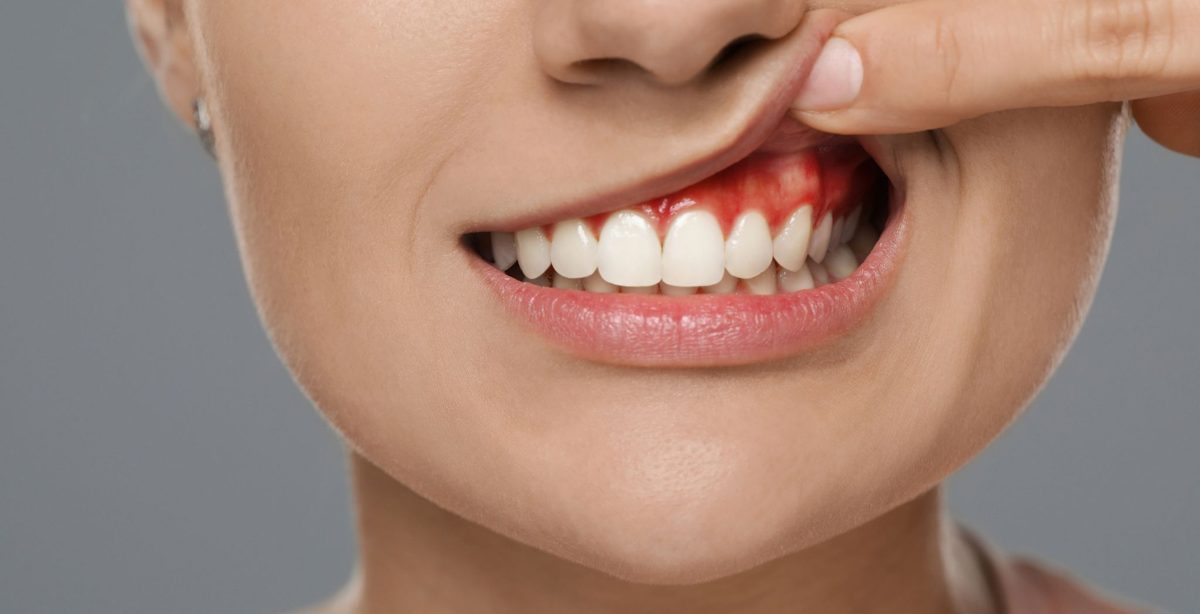
- Swelling of the gum around a tooth.
- A pimple-like bump on the gum that may release pus.
- A bad taste or bad smell in the mouth.
- Swelling of the face, cheek or jaw.
- Swollen, tender glands under the jaw.
- Fever and feeling generally unwell.
Sometimes the pain suddenly eases when pus drains through the gum. This does not mean the infection has gone; it means the pressure has been released, and the infection is still there.
Swelling that spreads to the eye or neck, difficulty swallowing or breathing, or a high fever are emergencies.
 Dr. Yousaf KamalCEO · Consultant dental surgeonSmile design · Complex cases · Treatment planningF-7 Markaz and DHA Phase 2View profile
 Dr. Amna HassanOral and maxillofacial surgeon · ImplantologistWisdom teeth · Implants · Oral surgeryDHA Phase 2View profile
 Dr. Aqsa MalikDental surgeon · Clinical DirectorTreatment planning · Restorative · Aesthetic dentistryDHA Phase 2View profile
What Causes a Tooth Abscess?
An abscess forms when bacteria reach parts of the tooth or gum that should be protected. Several problems can let this happen.
1Deep Tooth Decay
Untreated decay eventually reaches the nerve. The nerve becomes infected and dies, and infection spreads to the root tip.
2Cracked or Broken Tooth
A crack can let bacteria into the nerve, even when it is too small to see.
3Dental Injury
A blow to the mouth can damage a tooth's nerve. The tooth may darken and develop an abscess months or years later.
4Advanced Gum Disease
Deep gum pockets can trap bacteria, leading to a gum (periodontal) abscess beside the tooth.
5Failing Fillings or Crowns
Leaking or broken fillings and crowns can allow decay and infection to develop underneath.
6Previous Root Canal Treatment
Occasionally, a tooth that has had a root canal becomes infected again and needs re-treatment.
7Partly Erupted Wisdom Teeth
Infection under the gum around a wisdom tooth can form an abscess at the back of the mouth.
8Weakened Immunity
Diabetes and other conditions that lower the body's defences can make abscesses more likely and more severe.
At What Age Can a Tooth Abscess Develop?
Abscesses can affect people of any age, though the usual causes differ.
Children (2–12 years)
Deep decay in baby teeth can lead to abscesses, often with a swollen gum or face. Baby teeth with abscesses need treatment to protect the adult teeth underneath.
Teenagers (13–19 years)
Decay, sports injuries and wisdom teeth can lead to abscesses. A tooth that turns grey after an injury should be checked.
Adults (20–40 years)
Deep decay, cracked teeth and failing fillings are common causes, along with wisdom tooth infections.
Middle-aged and older adults (40+ years)
Gum disease, old fillings and crowns, and cracked teeth are frequent causes. Diabetes and dry mouth can increase the risk.
An abscess should never be left untreated at any age, because infection can spread beyond the tooth.
Can Antibiotics Cure a Tooth Abscess?
Many people hope antibiotics alone will fix an abscess. In most cases they do not.
Reasons include:
- The infection starts inside the tooth, where antibiotics cannot reach well.
- Antibiotics may reduce swelling and pain for a short time.
- Once the course ends, the infection usually returns.
- Repeated courses can make bacteria resistant to antibiotics.
- The source must be removed by draining the infection and treating or removing the tooth.
Antibiotics are useful when infection is spreading, with facial swelling, fever or swollen glands, and are given together with dental treatment.
Do not keep taking antibiotics for an abscess without having the tooth treated.
Tooth Abscess Treatment Options
Treatment aims to drain the infection, remove its source and save the tooth if possible. A dentist confirms which tooth is affected with an examination and X-ray.
Common treatment options include:
1Draining the Abscess
The dentist makes a small opening to release the pus, which quickly reduces pressure and pain.
2Root Canal Treatment
The infected nerve is removed and the inside of the tooth is cleaned, disinfected and sealed, saving the tooth.
3Tooth Extraction
If the tooth is too damaged to save, it is removed, which also drains the infection.
4Gum Abscess Treatment
A gum abscess is drained and the gum pocket is cleaned deeply to remove bacteria.
5Antibiotics When Needed
Antibiotics are prescribed when infection is spreading or you have fever, alongside treatment of the tooth.
6Dental Crown
After a root canal, a back tooth usually needs a crown to protect it from breaking.
7Replacing a Lost Tooth
If a tooth is removed, it can later be replaced with an implant, bridge or denture.
Treatments for tooth abscess at Studio Dental
How to Ease Abscess Pain at Home
An abscess needs professional treatment, but these steps can help you stay comfortable until you are seen.
Quick Care Tips Before Your Appointment
- Call a Dentist the Same Day: Abscesses get worse without treatment.
- Rinse with Warm Salt Water: Rinse gently several times a day to keep the area clean.
- Take a Suitable Painkiller: Use a painkiller you normally take safely, following the dose on the packet.
- Use a Cold Compress on the Cheek: Hold it against the swelling for 15 minutes at a time.
- Keep Your Head Raised: An extra pillow can reduce throbbing at night.
- Avoid Chewing on That Side: Eat soft food on the other side.
- Drink Plenty of Water: Stay hydrated, especially if you have a fever.
These steps reduce discomfort but do not treat the infection.
What Can Help While You Wait
Some measures can help while you wait for treatment:
- Warm salt-water rinses.
- Cold compresses on the outside of the cheek.
- Soft, lukewarm food.
- Gentle brushing of other teeth.
- Rest and fluids.
- Keeping your dental appointment.
Never try to burst the swelling yourself, put heat on a swollen face, place aspirin or other tablets on the gum, or apply alcohol or undiluted clove oil. These can damage the gum or help infection spread.
If swelling is spreading, see a dentist the same day or go to hospital.
Which Medicine Is Used for a Tooth Abscess?
Medicine can control symptoms and spreading infection, but the abscess must be treated at its source.
Depending on your situation, a dentist may recommend:
- A suitable painkiller for short-term relief.
- Anti-inflammatory medicine where appropriate.
- Antibiotics when infection is spreading or you have fever.
- A short course of antiseptic mouthwash.
Always finish an antibiotic course exactly as prescribed, and keep your appointment to treat the tooth.
Do not use leftover antibiotics or antibiotics bought without advice. The wrong medicine or dose can make infections harder to treat.
Which Toothpaste and Mouthwash Should You Use?
Good oral care cannot cure an abscess, but it helps prevent new infections.
Toothpaste
Use a fluoride toothpaste twice a day to protect teeth from decay, the most common cause of abscesses.
Mouthwash
Warm salt water is a gentle rinse while an abscess is being treated. Your dentist may recommend a short course of antiseptic mouthwash. An alcohol-free fluoride mouthwash can support daily care afterwards.
No toothpaste or mouthwash can drain an abscess or replace dental treatment.
Foods to Eat and Avoid With a Tooth Abscess
Soft, nourishing food helps you stay comfortable and supports recovery.
Recommended Foods
Choose soft foods that need little chewing, served lukewarm.
- Yoghurt.
- Soups (not hot).
- Soft rice and daal.
- Mashed potatoes.
- Scrambled eggs.
- Oatmeal.
- Bananas.
- Soft-cooked vegetables.
- Milk.
- Plenty of water.
Foods and Drinks to Limit
Avoid foods that increase pain or pressure on the tooth.
- Very hot food and drinks.
- Very cold drinks and ice.
- Hard foods such as nuts and hard bread.
- Chewy meat.
- Sweets and sugary drinks.
- Spicy and acidic foods.
- Alcohol.
- Chewing supari or gutka.
Dietary Tips for Recovery
- Chew on the opposite side.
- Eat small, soft meals regularly.
- Rinse with salt water after eating.
- Drink plenty of fluids, especially with a fever.
- Keep sugary foods to a minimum.
- Avoid smoking while the area heals.
- After treatment, follow your dentist's advice about chewing on the treated tooth.
Diet can make you more comfortable, but it cannot clear an abscess.
When Should You Visit a Dentist?
You should arrange an urgent dental appointment if:
- You have severe, throbbing toothache.
- Your gum is swollen around a tooth.
- You have a pimple-like bump on your gum.
- You notice pus or a bad taste in your mouth.
- Your cheek or jaw is swollen.
- It hurts to bite on a tooth.
- A tooth has turned dark after an injury.
- Pain has eased but swelling or a bad taste remains.
A swollen face with fever needs a same-day appointment. If swelling spreads to the eye or neck, or you have difficulty breathing or swallowing, go to a hospital emergency department straight away.
Tooth Abscess Clinic in Islamabad – Why Choose Professional Dental Care?
An abscess needs prompt, careful treatment to stop the infection and protect your health. The right treatment depends on which tooth is infected and whether it can be saved.
At Studio Dental in Islamabad, patients with abscesses are seen urgently at our F-7 Markaz and DHA Phase 2 clinics, every day from 9 am to 7 pm.
An abscess appointment may include:
- Discussion of your symptoms and medical history.
- Examination of the swollen area and teeth.
- A digital X-ray to find the source of infection.
- Draining the abscess to relieve pressure.
- Starting root canal treatment or removing the tooth.
- Antibiotics if the infection is spreading.
- A follow-up plan to complete treatment.
Treating an abscess quickly is usually the best way to save the tooth and prevent the infection from spreading.
Treatment prices in Islamabad
| Treatment | Starting from (15% off) | Up to |
|---|---|---|
| Examination | Rs 4,250 | Rs 5,000 |
| Digital X-ray | Rs 1,700 | Rs 2,000 |
| Root canal treatment (front tooth) | Rs 21,250 | Rs 25,000 |
| Root canal treatment (molar) | Rs 35,700 | Rs 42,000 |
| Simple extraction | Rs 6,800 | Rs 8,000 |
| Surgical extraction | Rs 17,000 | Rs 20,000 |
| Zirconia crown | Rs 55,250 | Rs 65,000 |
Family treatment and first appointment discount, valid until 31 December 2026. Your exact price depends on your case and is confirmed in writing after your examination.
We offer tooth abscess treatment in Islamabad at both Studio Dental clinics: tooth abscess treatment in Islamabad, F-7 Markaz, at Jinnah Super, and tooth abscess treatment in Islamabad, DHA Phase 2, on Main Iqbal Boulevard, every day from 9 am to 7 pm.
Tooth abscess treatment in Islamabad, F-7 Markaz
Studio Dental F-7 Markaz: 2nd Floor, Flat 7, Block 12-C, Jinnah Super, Main College Road. Open Monday to Sunday, 9 am to 7 pm.
Seen by: Dr. Mashaal Khalid, prosthodontist; Dr. Yousaf Kamal, consultant dental surgeon.
Tooth abscess treatment in Islamabad, DHA Phase 2
Studio Dental DHA Phase 2: 1st Floor, Plaza 26, Main Iqbal Boulevard, DHA Phase II. Open Monday to Sunday, 9 am to 7 pm.
Seen by: Dr. Yousaf Kamal, consultant dental surgeon; Dr. Amna Hassan, oral and maxillofacial surgeon.
Frequently Asked Questions About Tooth Abscess
Can a tooth abscess go away on its own?
No. The pain may ease if pus drains, but the infection remains and usually returns until the tooth is treated.
Will antibiotics cure my abscess?
Antibiotics can calm the infection for a while, but they cannot remove the source inside the tooth. Draining it and treating or removing the tooth is needed.
Is a tooth abscess an emergency?
It needs prompt treatment, usually within 24 hours. Swelling spreading to the eye or neck, or difficulty breathing or swallowing, is a medical emergency.
Can a tooth with an abscess be saved?
Often yes, with root canal treatment. If the tooth is badly broken or the bone is severely damaged, removal may be the better option.
Does draining an abscess hurt?
The area is numbed first. Most people feel relief quickly once the pressure is released.
Why did my abscess pain suddenly stop?
The pus may have drained or the nerve may have died. The infection is still present and needs treatment.
Can I use heat on a swollen face?
No. Heat can draw infection outwards. Use a cold compress on the cheek instead and see a dentist.
What is a gum abscess?
It is an infection in a gum pocket beside a tooth, often linked to gum disease. It is treated by draining and deep cleaning.
Can a child get a tooth abscess?
Yes. Deep decay in baby teeth can cause abscesses, which need treatment to protect the adult teeth developing underneath.
How much does abscess treatment cost?
It depends on whether the tooth needs a root canal, an extraction or gum treatment. Your exact cost is confirmed in writing after your examination and X-ray.
How long does abscess treatment take?
Draining usually happens at the first visit. A root canal may take one or two visits, and a back tooth may then need a crown.
Can I wait until the weekend to see a dentist?
It is better not to wait. Both clinics are open every day, including weekends, from 9 am to 7 pm.
Book Your Urgent Abscess Appointment at Studio Dental in Islamabad
Do you have throbbing pain, a swollen gum or a swollen face from a tooth?
Do not wait for an abscess to get worse. Infection can spread beyond the tooth, while prompt treatment relieves pain quickly and often saves the tooth.
An urgent examination and X-ray can find the source, drain the infection and start the right treatment the same day.